


Hey there, dental enthusiasts! As a supplier of Dental Intraoral Scanners, I often get asked if these nifty devices can be used for implant planning. Well, let's dive right into it and find out!
First off, let's understand what a Dental Intraoral Scanner is. It's a high - tech piece of equipment that takes digital impressions of the inside of your mouth. Instead of the old - fashioned way of using goopy dental impression materials, the scanner uses light and cameras to create a 3D model of your teeth, gums, and the overall oral cavity.
Now, can it be used for implant planning? The answer is a resounding yes! And here's why.
Accuracy in Implant Planning
One of the key aspects of successful implant planning is getting accurate measurements. Dental Intraoral Scanners are extremely precise. They can capture the exact shape, size, and position of the teeth and the surrounding bone structure. This level of accuracy is crucial when determining the ideal location for dental implants. For example, if an implant is placed too close to a nerve or a neighboring tooth, it can lead to complications such as nerve damage or improper bite alignment. With a Dental Intraoral Scanner, dentists can analyze the 3D model in detail and plan the implant placement with millimeter - level precision.
Time - Saving
Traditional implant planning methods involve taking multiple impressions, X - rays, and then creating physical models. This process can be time - consuming and often requires multiple visits to the dental office. A Dental Intraoral Scanner streamlines this process. The digital impressions are taken in a matter of minutes, and the 3D model is available immediately. Dentists can then use specialized software to plan the implant procedure right away. This not only saves time for the patient but also for the dental staff, allowing them to see more patients in a day.

Better Communication
When it comes to implant planning, communication between the dentist, the patient, and the dental laboratory is essential. A Dental Intraoral Scanner makes this communication much easier. The 3D digital model can be easily shared with the dental laboratory, where technicians can use it to create custom - made implant components. Patients can also view the 3D model, which helps them understand the implant procedure better. They can see where the implants will be placed and how they will look after the treatment. This transparency builds trust between the dentist and the patient.
Compatibility with Other Dental Equipment
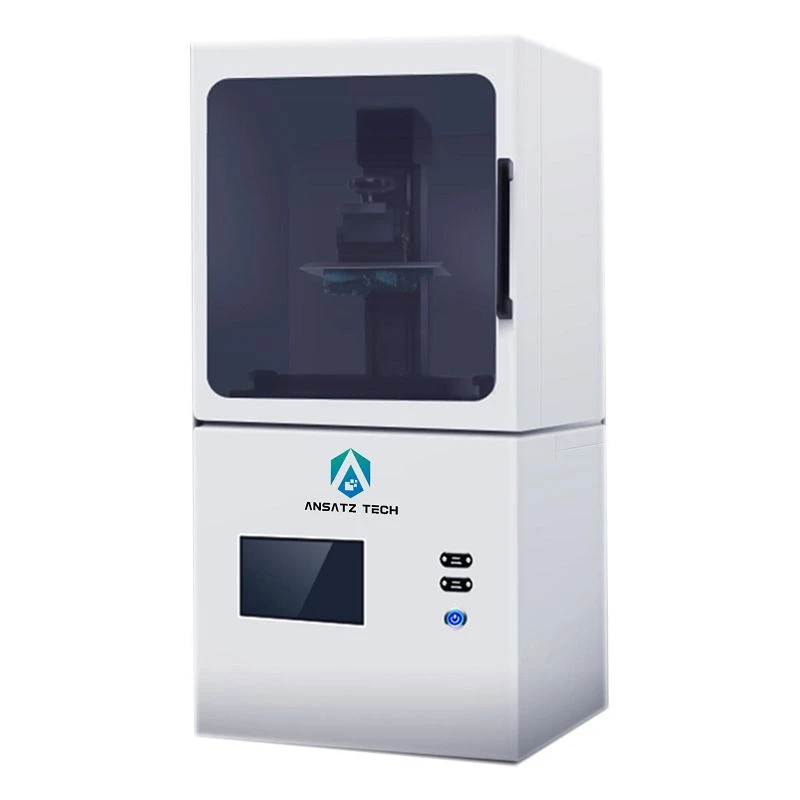
Dental Intraoral Scanners are highly compatible with other dental equipment, which is a huge advantage for implant planning. For instance, they can be integrated with 3D Printer. Once the implant plan is finalized, the 3D printer can be used to create surgical guides based on the digital model. These surgical guides ensure that the implants are placed exactly as planned. Additionally, the scanner can work in tandem with Color Shade Detector. This helps in choosing the right color for the dental crowns that will be placed on top of the implants, ensuring a natural - looking result.
Patient Comfort
Let's not forget about patient comfort. The traditional impression - taking process can be uncomfortable for many patients. The goopy materials can cause gagging and a feeling of fullness in the mouth. In contrast, a Dental Intraoral Scanner is a non - invasive and painless device. The patient simply has to keep their mouth open while the scanner moves around to capture the digital impressions. This makes the overall implant planning experience much more pleasant for the patient.
Limitations and Considerations
Of course, like any technology, Dental Intraoral Scanners have their limitations. They may not be able to accurately capture areas with a lot of moisture or debris. In such cases, the dentist may need to clean the area thoroughly before taking the scan. Also, while the scanner can provide a detailed view of the teeth and gums, it may not give a complete picture of the underlying bone structure. In some cases, additional imaging such as a CT scan may be required to fully assess the bone quality and density.
Another consideration is the cost. Dental Intraoral Scanners can be quite expensive, both to purchase and to maintain. However, the long - term benefits in terms of improved efficiency, accuracy, and patient satisfaction often outweigh the initial investment.
Real - World Applications
In real - world dental practices, Dental Intraoral Scanners are already making a big impact on implant planning. Many dental clinics are using them to provide better and more efficient implant services. For example, in a busy dental practice, the scanner allows dentists to quickly plan implant procedures for multiple patients in a day. The 3D models can be stored in a digital database, making it easy to access and review the patient's implant history.
Future of Implant Planning with Intraoral Scanners
The future looks bright for the use of Dental Intraoral Scanners in implant planning. As technology continues to evolve, we can expect even more advanced features. For instance, scanners may become even more accurate and faster, with the ability to capture more detailed information about the oral cavity. There may also be better integration with artificial intelligence, which can assist dentists in making more informed decisions during the implant planning process.
Related Dental Equipment
In addition to the Dental Intraoral Scanner, there are other pieces of equipment that can enhance the implant planning and treatment process. The Color Shade Detector plays a crucial role in ensuring that the dental crowns match the natural color of the patient's teeth. And the 3D Printer can create precise surgical guides and even custom - made implant components. Another useful piece of equipment is the Brushless Sander, which can be used for finishing and polishing the dental implants and crowns.
Conclusion
In conclusion, Dental Intraoral Scanners are a valuable tool for implant planning. They offer high accuracy, time - saving benefits, better communication, and improved patient comfort. While they have some limitations, the advantages far outweigh them. As a supplier of Dental Intraoral Scanners, I'm excited to see how this technology continues to transform the field of implant dentistry.
If you're a dental professional interested in learning more about our Dental Intraoral Scanners or other related dental equipment, I encourage you to reach out to us for a procurement discussion. We're here to help you take your dental practice to the next level with the latest and greatest in dental technology.
References
- “Dental Implant Planning: A Review of Current Techniques and Technologies.” Journal of Dental Research.
- “The Use of Intraoral Scanners in Modern Dentistry.” Dental Today Magazine.
- “Advances in Digital Dentistry for Implant Procedures.” International Journal of Oral and Maxillofacial Implants.