


In the dynamic landscape of modern design, the question of whether CAD - CAM system tools can be effectively employed for packaging design is both timely and relevant. As a seasoned supplier of CAD - CAM system tools, I've witnessed firsthand the transformative power of these technologies across various industries. In this blog, I'll explore the potential of CAD - CAM system tools in the realm of packaging design, highlighting their benefits, applications, and considerations.
The Basics of CAD - CAM System Tools
CAD (Computer - Aided Design) and CAM (Computer - Aided Manufacturing) are two interrelated technologies that have revolutionized the design and manufacturing processes. CAD allows designers to create detailed, precise 2D and 3D models of products using specialized software. These models can be easily modified, analyzed, and shared, enabling efficient collaboration between different stakeholders.
CAM, on the other hand, takes the digital designs created in CAD and translates them into instructions for manufacturing equipment. This includes CNC (Computer Numerical Control) machines, 3D printers, and other automated manufacturing tools. By integrating CAD and CAM, designers can seamlessly transition from the design phase to the production phase, reducing errors and streamlining the overall manufacturing process.
Benefits of Using CAD - CAM System Tools in Packaging Design
Precision and Accuracy
One of the primary advantages of CAD - CAM system tools in packaging design is the ability to achieve a high level of precision and accuracy. With CAD software, designers can create packaging models with exact dimensions, ensuring a perfect fit for the product. This is particularly important for products with irregular shapes or specific size requirements. In addition, CAD - CAM systems can generate detailed manufacturing instructions, minimizing the risk of errors during the production process.
Customization
CAD - CAM system tools offer unparalleled flexibility when it comes to customization. Designers can easily modify packaging designs to meet the specific needs of different clients or products. Whether it's changing the shape, size, or graphics of the packaging, CAD software allows for quick and efficient design iterations. This level of customization is essential in today's competitive market, where consumers are increasingly looking for unique and personalized packaging solutions.
Time and Cost Savings
By automating the design and manufacturing processes, CAD - CAM system tools can significantly reduce the time and cost associated with packaging design. In traditional design methods, creating prototypes and making design changes can be a time - consuming and expensive process. With CAD - CAM, designers can create virtual prototypes and test different design concepts without the need for physical models. This not only saves time but also reduces material waste and production costs.
Visualization
CAD software provides powerful visualization tools that allow designers to create realistic 3D models of packaging designs. These models can be viewed from different angles, with different lighting and textures, giving clients a clear idea of what the final product will look like. This enhanced visualization helps to communicate design concepts more effectively and can lead to faster decision - making.
Applications of CAD - CAM System Tools in Packaging Design
Structural Design
CAD - CAM system tools are widely used in the structural design of packaging. Designers can create 3D models of boxes, cartons, and other packaging structures, taking into account factors such as strength, durability, and ease of assembly. These models can be analyzed using finite element analysis (FEA) to ensure that the packaging can withstand the stresses and strains of transportation and handling.
Graphic Design
In addition to structural design, CAD - CAM system tools can also be used for graphic design in packaging. Designers can create high - resolution graphics and apply them to the 3D models of the packaging. This allows for a more integrated approach to packaging design, where the structural and graphic elements are designed and optimized together.
Prototyping and Production
Once the packaging design is finalized, CAD - CAM system tools can be used to create prototypes and produce the final packaging. 3D printing technology, which is often integrated with CAD - CAM systems, allows for rapid prototyping of packaging designs. This enables designers to test the functionality and aesthetics of the packaging before mass production. For mass production, CAD - CAM systems can generate the necessary instructions for CNC machines to cut, fold, and assemble the packaging materials.
Considerations When Using CAD - CAM System Tools in Packaging Design
Software and Hardware Requirements
Using CAD - CAM system tools requires specialized software and hardware. Designers need to have access to powerful CAD software that can handle complex 3D modeling and design tasks. In addition, the hardware should be capable of running the software smoothly, with sufficient processing power and memory.
Training and Skill Development
To effectively use CAD - CAM system tools in packaging design, designers need to have the necessary training and skills. Learning how to use CAD software and operate CAM equipment takes time and practice. Companies may need to invest in training programs to ensure that their designers are proficient in using these tools.
Material Compatibility
When using CAD - CAM system tools for packaging production, it's important to consider the compatibility of the design with different packaging materials. Different materials have different properties, such as flexibility, strength, and printability. Designers need to ensure that the packaging design can be effectively produced using the chosen materials.

Our CAD - CAM System Tools for Packaging Design
As a supplier of CAD - CAM system tools, we offer a wide range of products that are suitable for packaging design. Our Burs for Glass Ceramic are designed for high - precision machining of glass ceramic materials, which can be used in the production of high - end packaging components. These burs are made from high - quality materials and are engineered to provide long - lasting performance.
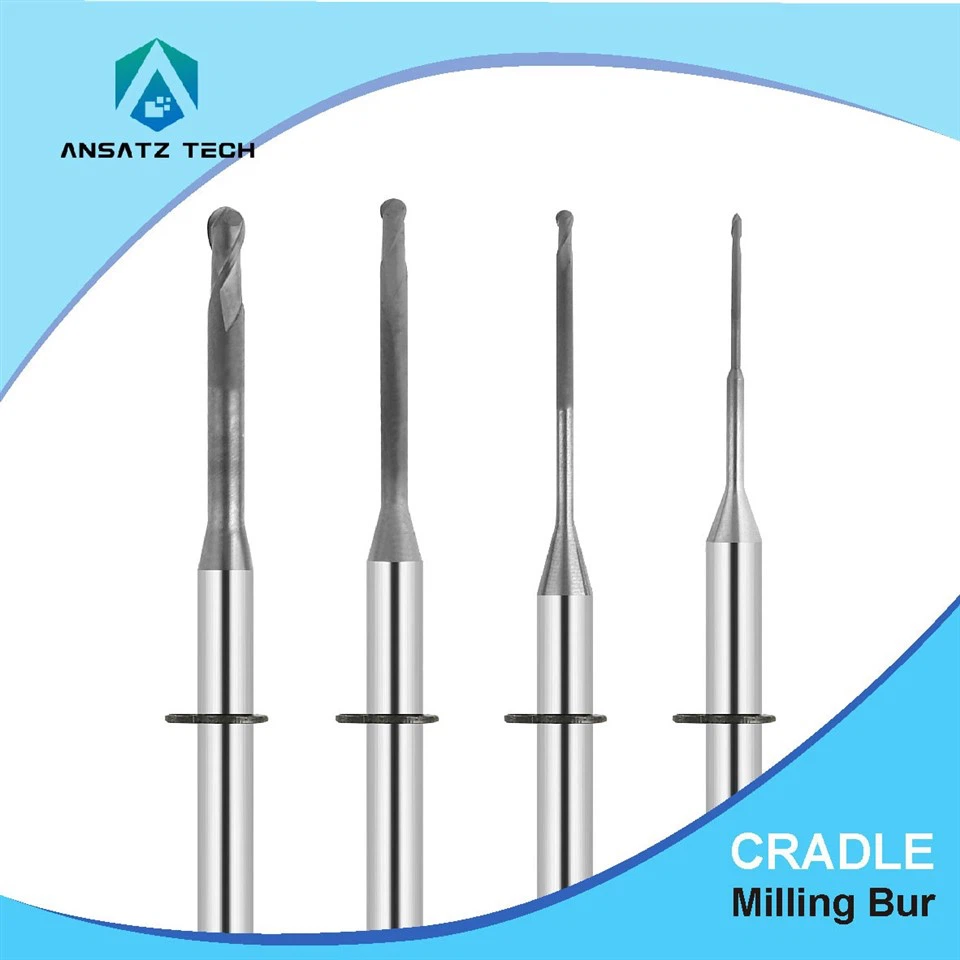
Our Dental Milling Bur For Cradle Systems are also versatile tools that can be adapted for packaging design applications. They offer excellent cutting performance and can be used to create complex shapes and details in packaging materials.
In addition, our Burs for Metal are ideal for creating metal packaging components. These burs are designed to withstand the high - speed machining of metal materials, ensuring precise and efficient production.
Conclusion
In conclusion, CAD - CAM system tools have great potential in the field of packaging design. They offer numerous benefits, including precision, customization, time and cost savings, and enhanced visualization. By leveraging these tools, designers can create innovative and high - quality packaging solutions that meet the needs of today's market.
If you're interested in exploring the use of CAD - CAM system tools for your packaging design projects, we'd love to hear from you. Our team of experts can provide you with more information about our products and how they can be applied to your specific requirements. Contact us to start a discussion about your packaging design needs and discover how our CAD - CAM system tools can help you achieve your goals.
References
- Smith, J. (2018). CAD/CAM Technology in the Packaging Industry. Journal of Packaging Design, 12(3), 45 - 56.
- Johnson, A. (2019). The Future of Packaging Design with CAD - CAM Systems. Manufacturing Review, 25(2), 78 - 89.
- Brown, C. (2020). Precision and Customization in Packaging Design using CAD - CAM. Design World, 30(4), 67 - 79.