


In the ever - evolving field of dentistry, dental implants have become a game - changer for patients seeking a long - term solution to tooth loss. And let me tell you, as a supplier of Dental Intraoral Scanners, I've seen firsthand how these nifty devices have revolutionized the dental implant process, significantly upping the accuracy game.
Traditional methods of taking dental impressions were a pain, both for the dentist and the patient. You know, that gooey, messy, gag - inducing putty in your mouth? Yeah, not a great experience. But with Dental Intraoral Scanners, it's a whole new ballgame.
So, how exactly does a Dental Intraoral Scanner improve the accuracy of dental implants? Let's break it down.
3D Visualization
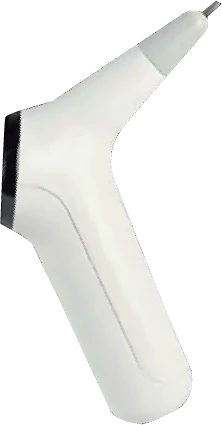
One of the biggest perks of using a Dental Intraoral Scanner is the ability to create highly detailed 3D models of the patient's mouth. These scanners use advanced optical technology to capture thousands of images in just seconds. All these images are then stitched together to form a comprehensive and accurate 3D representation of the teeth, gums, and underlying bone structure.
This 3D visualization is a game - changer for dental implant procedures. Dentists can view the patient's mouth from every angle, zoom in on specific areas, and get a detailed look at the bone density and shape. For example, when planning the placement of an implant, they can determine the exact location, depth, and angulation required. This precision is crucial because a slight misplacement of an implant can lead to a whole host of problems, like improper bite alignment, gum irritation, or even implant failure.
Real - time Feedback
Another awesome feature of Dental Intraoral Scanners is the real - time feedback they provide. As the scanner moves around the patient's mouth, the dentist can see the scan results immediately on a computer screen. This allows them to catch any issues right away, such as incomplete scans or areas that need further attention.
Let's say there's a small area that wasn't scanned properly because the patient moved a bit. The dentist can quickly go back and rescan that specific spot without having to start the whole process over. This not only saves time but also ensures that the final 3D model is as accurate as possible. And when it comes to dental implants, accuracy is everything.
Digital Communication
In today's digital age, communication is key. Dental Intraoral Scanners make it super easy for dentists and dental laboratories to share information. Once the 3D model is created, it can be sent electronically to the dental lab. This eliminates the need for physical impressions to be shipped, which can get lost or damaged in transit.
At the dental lab, technicians can use the digital model to design and fabricate the dental implant with extreme precision. They can use software to create a custom - fit implant that matches the patient's unique oral anatomy. This seamless digital communication between the dentist and the lab reduces errors and ensures that the final implant fits perfectly.

Integration with Other Dental Technologies
Dental Intraoral Scanners don't work in isolation. They can be integrated with other dental technologies to further enhance the accuracy of dental implants. For instance, Color Shade Detector can be used in conjunction with the intraoral scanner. This device helps in accurately matching the color of the implant to the patient's natural teeth, providing a more aesthetically pleasing result.
Also, Dental Laboratory Scanners can work in tandem with intraoral scanners. While the intraoral scanner captures the patient's mouth in - situ, dental laboratory scanners can be used to scan any additional components or models related to the implant. This double - checking process ensures that every detail is accounted for, leading to a more accurate implant.
And let's not forget about Dental Metal 3D Printer. Once the design for the dental implant is finalized using the data from the intraoral scanner, the 3D printer can create the implant with high precision. It can build the implant layer by layer, ensuring that it meets all the specifications determined by the 3D model.
Patient - Specific Treatment Planning
Every patient's mouth is unique, and Dental Intraoral Scanners allow for personalized treatment planning. Dentists can use the detailed 3D models to assess each patient's specific needs and develop a customized implant treatment plan. They can simulate the implant placement on the digital model and see how it will interact with the surrounding teeth and tissues.
This patient - specific approach not only improves the accuracy of the implant placement but also enhances the overall treatment outcome. Patients are more likely to have a successful implant procedure and a better quality of life after the treatment.
Reduced Human Error
Traditional impression - taking methods rely heavily on the dentist's skill and technique. There's a lot of room for error, like air bubbles in the putty, improper seating of the impression tray, or inaccurate pouring of the plaster. With Dental Intraoral Scanners, many of these human - related errors are eliminated.
The scanners are designed to be as precise as possible, and the software that processes the scan data can correct minor inconsistencies. This means that the final 3D model is a more accurate representation of the patient's mouth, leading to more accurate implant placement.
Cost - effectiveness in the Long Run
While the initial investment in a Dental Intraoral Scanner may seem high, it can actually be cost - effective in the long run. By improving the accuracy of dental implants, the likelihood of implant failure is significantly reduced. This means fewer follow - up procedures and less time and money spent on fixing implant - related issues.
Also, the efficiency of the intraoral scanning process saves time for both the dentist and the patient. Dentists can see more patients in a day, and patients don't have to go through multiple appointments for impressions and adjustments.
If you're in the dental industry and are looking to improve the accuracy of your dental implant procedures, I highly recommend considering a Dental Intraoral Scanner. They've truly transformed the way we approach dental implant treatments, making them more accurate, efficient, and patient - friendly.
Whether you're a dentist wanting to provide the best possible care for your patients or a dental laboratory looking to enhance your fabrication process, our Dental Intraoral Scanners can be a great addition to your practice. If you're interested in learning more about our products or would like to discuss a potential purchase, don't hesitate to reach out to us for procurement and negotiation.
References
- Feine JS, Carlsson GE, Awad MA, et al. The McGill consensus statement on overdentures. Mandibular two - implant overdentures as first choice standard of care for edentulous patients. J Dent. 2002;30(5):301 - 311.
- Chee WSL, Romanos GE, Albrektsson T. Implant dentistry: a comprehensive overview. Periodontology 2000. 2011;56(1):1 - 21.