


Hey there! I'm a supplier of Siladent, and today I wanna chat about how Siladent interacts with medications. It's a topic that's super important, especially for those in the dental field.
First off, let's get a bit of background on Siladent. Siladent offers a wide range of dental products that are well - known for their quality. For example, we have Dental Gypsum Type IV—Marmoplast ®N, Special Products—Silaform® Gingiva Soft, and Dental Gypsum Type IV— Base Stone FL. These products are used in various dental procedures, from making dental models to creating custom - fit dental appliances.
Now, when it comes to the interaction between Siladent products and medications, it's a complex area. One of the main things to understand is that most Siladent products are in contact with the oral cavity. And the oral cavity is a unique environment where medications can be present due to various reasons, like patients taking antibiotics for gum infections or painkillers after a dental procedure.
Let's start with the dental gypsum products. Dental gypsum, such as the Dental Gypsum Type IV—Marmoplast ®N and Dental Gypsum Type IV— Base Stone FL, is mainly used for making dental casts. In general, these gypsum products don't have a direct chemical interaction with medications. They are inert materials once they are set. However, if a patient has been using medications that affect the saliva composition, it could potentially have an impact on the setting process of the gypsum.
For instance, some medications can change the pH of the saliva. If the saliva pH is too high or too low, it might alter the rate at which the gypsum sets. A more acidic saliva could speed up the setting time, while an alkaline saliva might slow it down. This is important because an improper setting time can lead to a less - accurate dental cast, which can then affect the fit of dental appliances made from that cast.
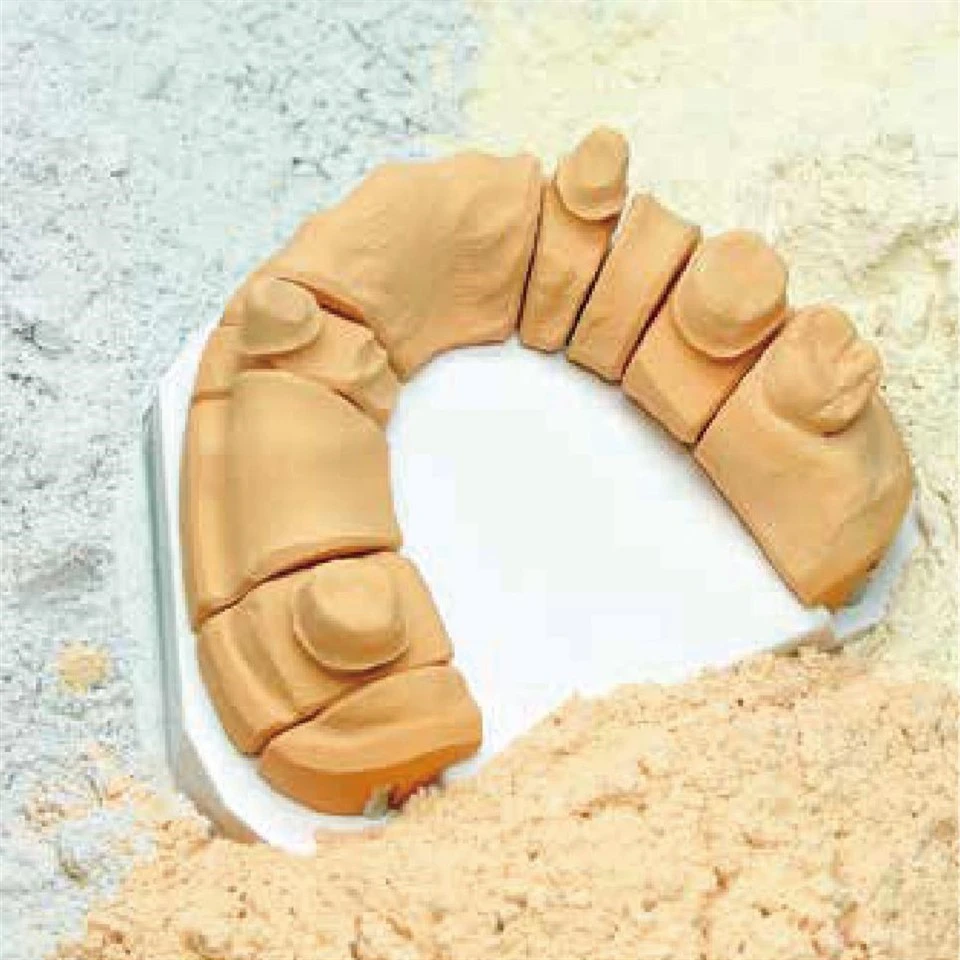
Another aspect is the Special Products—Silaform® Gingiva Soft. This product is often used to simulate the appearance of natural gingiva. When it comes to medication interaction, it's crucial to consider the medications that a patient might be using topically in the oral cavity. Some topical medications, like corticosteroid gels used for oral ulcers, could potentially interact with the Silaform® Gingiva Soft.
If a patient has applied a topical medication and then the Silaform® Gingiva Soft is placed in the oral cavity, there could be a physical or chemical interaction. For example, the medication might cause the Silaform® Gingiva Soft to swell or change its texture. This can not only affect the aesthetic appearance but also the functionality of the product.
Now, let's talk about systemic medications. Some patients might be on long - term medications for chronic conditions like diabetes, hypertension, or heart disease. These medications can have an impact on the overall oral health, which in turn can affect the use of Siladent products.
Patients with diabetes, for example, are more prone to gum infections. If a patient has a gum infection and is using antibiotics, the presence of the infection and the antibiotics can change the oral environment. This can affect the adhesion and durability of Siladent products, especially those that are used in the treatment of periodontal diseases.

Anticoagulant medications are also a concern. If a patient is on anticoagulants, there might be a higher risk of bleeding during dental procedures. When using Siladent products during such procedures, extra care needs to be taken to ensure proper hemostasis. Also, some anticoagulants can affect the healing process, which can impact the long - term success of dental restorations made with Siladent products.
In addition, some medications can cause dry mouth as a side effect. Dry mouth can lead to a decrease in saliva production, which is important for the normal functioning of the oral cavity. With less saliva, the oral tissues can become more vulnerable to damage, and the setting and performance of Siladent products can be affected.
So, what can dental professionals do to manage these potential interactions? First of all, it's essential to take a detailed medical history of the patient. Knowing which medications a patient is taking can help in predicting and preventing any potential issues.
If a patient is on medications that might affect the oral environment, dental professionals can adjust the treatment plan accordingly. For example, if a patient has a high - risk of bleeding due to anticoagulants, they can use additional hemostatic agents during the procedure.
Also, when using Siladent products, it's important to follow the manufacturer's instructions carefully. The instructions are designed to ensure the best performance of the products under normal conditions. If there are any concerns about medication interaction, it's always a good idea to consult with a pharmacist or a medical doctor.
As a Siladent supplier, I understand the importance of providing high - quality products and also the need to educate dental professionals about these potential interactions. We are committed to supporting the dental community in providing the best possible care for their patients.
If you're in the dental industry and are interested in learning more about our Siladent products or have any questions regarding medication interactions, don't hesitate to reach out. Whether you're a dentist, a dental technician, or a dental clinic owner, we can provide you with the information and support you need. We're here to help you make the most of our Siladent products in your practice.
If you're thinking about purchasing Siladent products for your dental practice, now is the time to start the conversation. We offer a wide range of products to meet your specific needs, and we can work with you to find the best solutions for your patients. So, let's get in touch and start discussing how we can help your practice thrive with Siladent.
References
- Textbooks on dental materials science
- Research papers on oral pharmacology and dental product interactions
- Manufacturer's product manuals for Siladent products