


Hey there, fellow 3D printing enthusiasts! As a supplier in the 3D printer game, I've gotten tons of questions about the different types of extruders out there. One of the most common queries is about the difference between direct drive and Bowden extruders in a 3D printer. So, let's dive right in and break it down!
What's an Extruder Anyway?
Before we get into the nitty - gritty of direct drive and Bowden extruders, let's quickly go over what an extruder does. In a 3D printer, the extruder is the part that takes the filament (usually plastic) and pushes it through a hot end. The hot end melts the filament, and then it's deposited layer by layer to create your 3D object. It's like the heart of your 3D printer, making sure everything runs smoothly and your prints come out just right.
Direct Drive Extruders
A direct drive extruder is exactly what it sounds like. It's directly connected to the hot end. The stepper motor that drives the extruder is right there on the hot end assembly. This setup has some pretty cool advantages.
Advantages of Direct Drive Extruders
- Better Filament Control: Since the extruder is directly attached to the hot end, it can more precisely control the flow of filament. This is super important when you're printing with flexible filaments like TPU. Flexible filaments can be a real pain to print with because they tend to buckle and jam. But with a direct drive extruder, you can get much better control over these tricky materials.
- Faster Retractions: Retractions are when the printer pulls the filament back a little bit to prevent oozing between moves. Direct drive extruders can do this much faster than Bowden extruders. This means less stringing and a cleaner print overall.
- Good for Small Details: If you're printing something with really small details, a direct drive extruder can give you better results. The precise filament control allows for more accurate deposition of material, which is crucial for those tiny features.
Disadvantages of Direct Drive Extruders
- Added Weight: Having the stepper motor on the hot end assembly adds some weight. This can slow down the printer's movement, especially if you're using a high - speed printer. The extra weight can also put more stress on the printer's moving parts, which might lead to more wear and tear over time.
- Limited Build Volume: The added weight and size of the direct drive extruder can sometimes limit the build volume of your printer. You might have to sacrifice some space to accommodate the extruder setup.
Bowden Extruders
A Bowden extruder, on the other hand, has the stepper motor located away from the hot end. The filament is pushed through a flexible tube (the Bowden tube) from the stepper motor to the hot end.
Advantages of Bowden Extruders
- Lighter Hot End: Since the stepper motor is not on the hot end, the hot end is much lighter. This allows for faster movement of the print head, which can result in faster print speeds. If you're looking to churn out prints quickly, a Bowden extruder might be the way to go.
- More Build Volume: With the stepper motor off the hot end, there's less clutter and more space inside the printer. This can give you a larger build volume, so you can print bigger objects.
- Reduced Vibration: The lighter hot end also means less vibration during printing. This can lead to smoother prints, especially at high speeds.
Disadvantages of Bowden Extruders
- Poor Filament Control for Flexibles: As I mentioned earlier, flexible filaments are a real challenge for Bowden extruders. The long Bowden tube can cause the filament to buckle and jam, making it difficult to print with these materials.
- Slower Retractions: Bowden extruders have a harder time with fast retractions. The filament has to travel through the long tube, which takes time and can result in more stringing and oozing.
Which One Should You Choose?
So, how do you decide whether a direct drive or a Bowden extruder is right for you? Well, it really depends on what you're planning to print.
- If You Print with Flexible Filaments: A direct drive extruder is your best bet. The better filament control will make your life a lot easier when dealing with those tricky flexible materials.
- If You Need Speed and Large Prints: A Bowden extruder might be the way to go. The lighter hot end allows for faster movement and more build volume, perfect for printing large objects quickly.
- If You Want a Bit of Both: Some printers actually offer the option to switch between direct drive and Bowden extruders. This gives you the best of both worlds, allowing you to choose the setup that's right for each print job.
Our 3D Printers and Extruders
As a 3D printer supplier, we understand that different customers have different needs. That's why we offer a range of 3D printers with both direct drive and Bowden extruders. Whether you're a hobbyist looking to print some cool gadgets or a professional in the dental industry, we've got you covered.
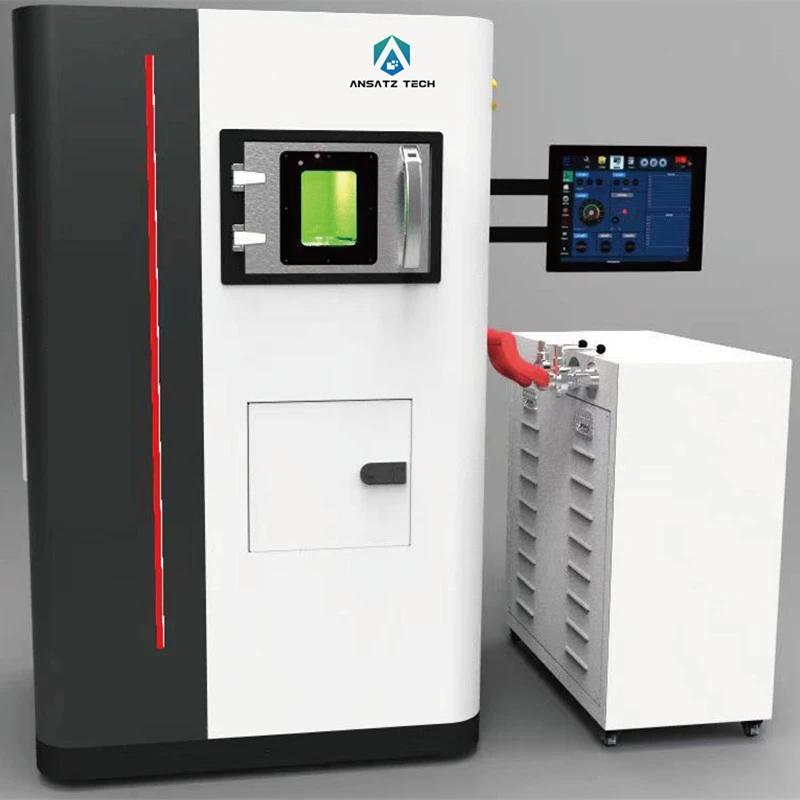

If you're in the dental field, check out our Dental Metal 3D Printer and Dental Laboratory Scanners. These high - quality machines are designed to meet the specific needs of dental labs and clinics. And for those looking for more advanced machining options, our 5 - axis Milling Machine for Dry and Wet Machining is a great choice.
Let's Talk!
If you're still not sure which extruder setup is right for you or if you have any other questions about our 3D printers, don't hesitate to reach out. We're here to help you make the best decision for your printing needs. Whether you're just starting out or you're a seasoned pro, we can offer you the advice and support you need. So, let's get in touch and start creating some amazing 3D prints together!
References
- "3D Printing Basics: Extruders", 3D Printing Blog, accessed [date].
- "Direct Drive vs Bowden Extruders", All3DP, accessed [date].