


Hey there, fellow 3D printing enthusiasts! I'm a supplier of 3D printers, and I often get asked about the lifespan of these nifty machines. So, I thought I'd sit down and write this blog to share what I know.
First off, let's understand what we mean by the lifespan of a 3D printer. It's not just about how long the machine physically lasts before it falls apart. It's also about how long it can keep producing high - quality prints, how well it can adapt to new technologies and materials, and how cost - effective it remains over time.
Factors Affecting the Lifespan of a 3D Printer
1. Build Quality
The build quality of a 3D printer is a major factor. Printers made with high - quality materials and precision engineering are likely to last longer. For example, printers with a solid metal frame are generally more durable than those with a plastic one. A well - built printer can withstand the vibrations and movements during the printing process without getting misaligned easily. This means it can keep producing accurate prints for a longer period.
2. Usage Frequency
How often you use your 3D printer matters a lot. If you're running it 24/7 for large - scale production, it's going to wear out faster than a printer that's used occasionally for small hobby projects. Continuous use can put a lot of stress on the printer's components, such as the motors, belts, and extruders. Over time, these parts may start to degrade, leading to issues like inconsistent extrusion or inaccurate layer deposition.
3. Maintenance
Regular maintenance is key to extending the lifespan of a 3D printer. This includes cleaning the extruder, lubricating moving parts, and checking for loose screws or belts. If you neglect maintenance, debris can build up in the extruder, causing clogs and affecting the quality of the prints. Also, without proper lubrication, the moving parts can experience more friction, which can lead to premature wear and tear.
4. Technology Advancements
The world of 3D printing is evolving at a rapid pace. New materials and printing techniques are being developed all the time. A printer that was state - of - the - art a few years ago may become obsolete in terms of performance and compatibility. For instance, if a new type of high - strength plastic or metal alloy becomes popular, an older printer may not be able to handle it. This doesn't necessarily mean the printer stops working, but it may not be able to meet the demands of the market.
Average Lifespan Estimates
On average, a consumer - grade 3D printer used for hobby purposes can last anywhere from 2 to 5 years. These printers are usually less expensive and may not have the same level of build quality as industrial - grade printers. However, with proper maintenance and occasional part replacements, you can sometimes stretch their lifespan beyond 5 years.
Industrial - grade 3D printers, on the other hand, are built to last. They are designed for continuous, high - volume production. These printers can have a lifespan of 5 to 10 years or even more. They are often made with high - end components and are built to withstand the rigors of a manufacturing environment.
Now, let's talk about some of the specific components of a 3D printer and their typical lifespans:
Extruder
The extruder is one of the most critical parts of a 3D printer. It's responsible for melting and pushing the filament through the nozzle. Depending on the quality of the extruder and the type of filament used, it can last anywhere from 6 months to 2 years. If you're using abrasive filaments, such as carbon fiber - reinforced plastics, the extruder may wear out faster.
Nozzle
The nozzle is another part that can wear out relatively quickly. It's constantly in contact with the molten filament, and over time, it can get clogged or its tip can become worn. A standard brass nozzle may need to be replaced every few months to a year, especially if you're printing a lot. However, there are also more durable nozzles made of materials like stainless steel or hardened steel that can last longer.
Motors
The motors in a 3D printer, such as the stepper motors that control the movement of the print head and the build platform, are generally quite reliable. With proper maintenance, they can last for several years. However, if they are overloaded or exposed to excessive heat, their lifespan may be reduced.
Extending the Lifespan of Your 3D Printer
Use High - Quality Filaments
Using high - quality filaments can make a big difference in the lifespan of your 3D printer. Low - quality filaments may contain impurities or have inconsistent diameters, which can cause clogs in the extruder and nozzle. By investing in good - quality filaments, you can reduce the risk of component damage and ensure smoother printing operations.
Upgrade Components
As technology advances, you may consider upgrading some of the components of your 3D printer. For example, you could upgrade to a more advanced extruder or a higher - resolution print head. This can not only improve the quality of your prints but also extend the overall lifespan of the printer by making it more compatible with new materials and techniques.
Follow Manufacturer's Guidelines
Every 3D printer comes with a set of manufacturer's guidelines for operation and maintenance. It's important to follow these guidelines carefully. They provide valuable information on things like recommended printing temperatures, cleaning procedures, and part replacement intervals. By following these guidelines, you can ensure that your printer operates at its best and lasts as long as possible.
Related Products in the Dental Industry
In the dental industry, 3D printing has become increasingly popular. There are some great products that are worth checking out. For example, the 5-axis Milling Machine for Dry and Wet Machining is a powerful tool for creating dental prosthetics. It offers high precision and flexibility in machining different materials.
Another interesting product is the 5-Axis Dental Milling Machine. This machine is specifically designed for dental applications and can produce complex dental restorations with great accuracy.
And of course, we have the Dental Metal 3D Printer. It allows for the creation of high - quality metal dental implants and other dental devices.
Conclusion
So, in conclusion, the lifespan of a 3D printer can vary widely depending on several factors. By understanding these factors and taking steps to maintain and upgrade your printer, you can get the most out of it. Whether you're a hobbyist or an industrial user, a well - maintained 3D printer can serve you well for many years.

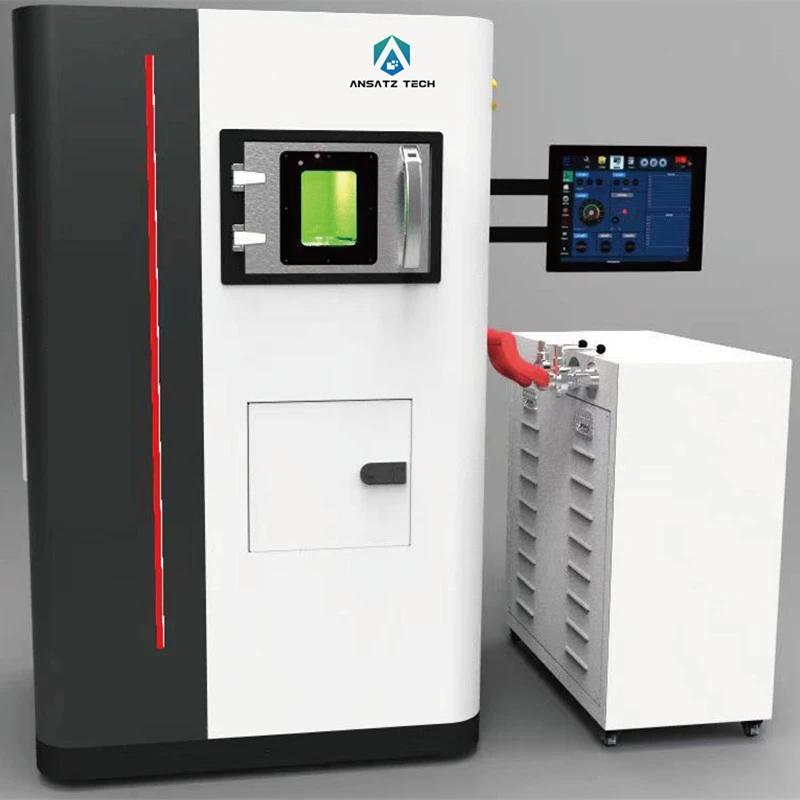
If you're interested in purchasing a 3D printer or have any questions about our products, feel free to reach out. We're here to help you find the right printer for your needs and ensure that you get the best possible performance and lifespan from it. Let's start a conversation and see how we can work together to meet your 3D printing requirements!
References
- Various industry reports on 3D printing technology and equipment durability.
- Manufacturer's manuals and documentation for different 3D printer models.