


In recent years, the field of dentistry has witnessed a remarkable transformation with the advent of digital technologies. Digital dental materials, in particular, have emerged as a game - changer, significantly contributing to the esthetic outcome of dental treatments. As a leading supplier of digital dental materials, I have had the privilege of witnessing firsthand how these advanced materials are revolutionizing the dental industry.
1. Understanding the Importance of Esthetics in Dental Treatments
Esthetics plays a crucial role in modern dentistry. Patients today not only seek functional restoration but also desire a beautiful smile that enhances their overall appearance and self - confidence. Aesthetically pleasing dental restorations can blend seamlessly with the natural dentition, making them virtually indistinguishable from real teeth. This is especially important for anterior teeth, where appearance is of utmost concern.
The traditional approach to dental esthetics often relied on the skills of the dentist and the limited range of materials available. However, with the introduction of digital dental materials, dentists now have access to a wider variety of options that offer superior esthetic results.
2. Digital Dental Materials and Their Impact on Esthetics
2.1 Dental WAX
Dental WAX is one of the essential digital dental materials that contribute to esthetics. In the digital workflow, dental wax is used for virtual design and wax - up processes. With the help of digital design software, dentists can create highly accurate wax models of the proposed dental restorations. These wax models can be customized to match the patient's natural tooth color, shape, and contour.
The digital wax - up allows for precise control over the esthetic parameters of the restoration. Dentists can adjust the size, shape, and alignment of the teeth in the virtual model, ensuring a perfect fit and a natural - looking appearance. Once the digital wax - up is approved, it can be milled into a physical wax pattern using a 3D printer. This physical wax pattern is then used for casting the final restoration, such as a crown or a bridge. The use of digital dental wax ensures that the final restoration has a smooth surface finish and accurate marginal adaptation, which are crucial for esthetics.
2.2 Dental PEEK
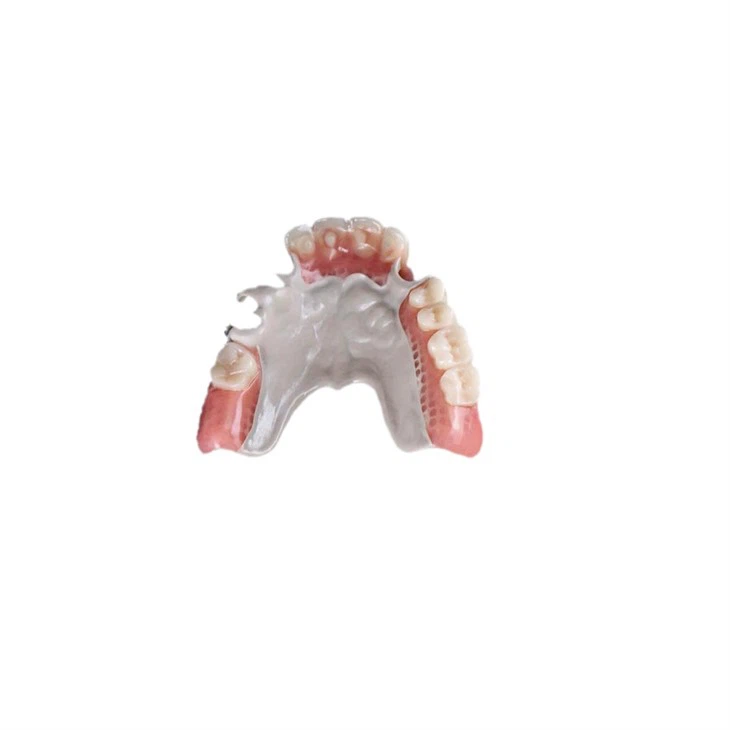
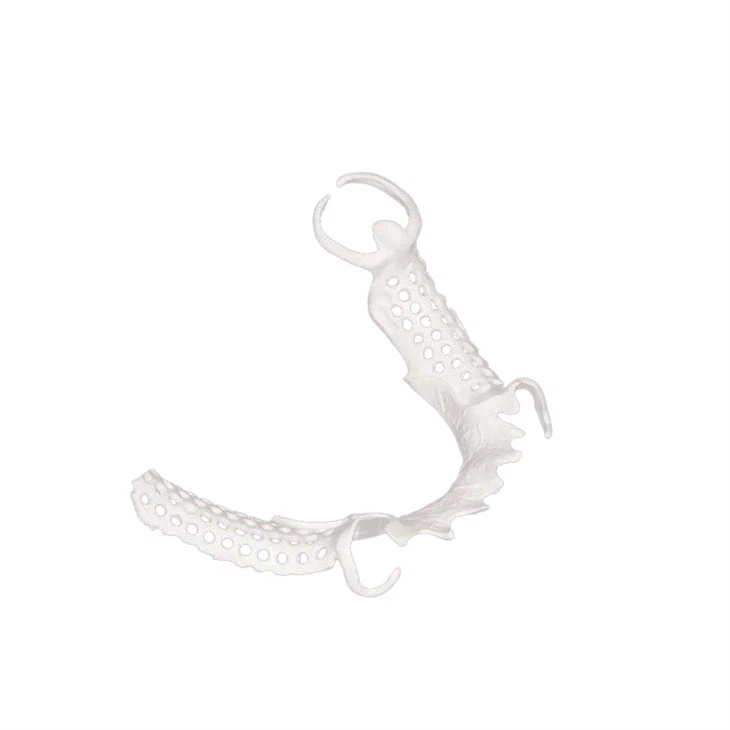
Dental PEEK is a relatively new digital dental material that has gained popularity due to its excellent esthetic and mechanical properties. PEEK (polyetheretherketone) is a high - performance polymer that can be used for various dental applications, including dental implants, crowns, and bridges.
One of the main advantages of dental PEEK is its natural - looking appearance. PEEK has a translucency similar to that of natural teeth, which allows it to blend in well with the surrounding dentition. It can also be stained and glazed to match the color of the patient's natural teeth, providing a highly esthetic solution. Additionally, dental PEEK has good biocompatibility, which means it is less likely to cause allergic reactions or other adverse effects in the oral cavity.
In the digital workflow, dental PEEK can be milled using a CNC machine based on the digital design. The milling process ensures high precision and accuracy, resulting in a well - fitting restoration with a smooth surface finish. The use of dental PEEK in digital dentistry allows for the creation of esthetically pleasing and functional dental restorations.
2.3 Dental Zirconia Block
Dental Zirconia Block is another widely used digital dental material that has a significant impact on esthetics. Zirconia is a ceramic material known for its high strength, durability, and excellent esthetic properties. It has a natural - looking appearance and can be color - matched to the patient's natural teeth.
In the digital dental workflow, dental zirconia blocks are used for milling crowns, bridges, and other restorations. The digital design software allows dentists to create a precise 3D model of the restoration, which is then milled from the zirconia block using a CNC machine. The milling process can produce highly accurate and detailed restorations with a smooth surface finish.
Zirconia restorations have excellent translucency and color stability, which means they can maintain their esthetic appearance over time. They are also resistant to staining and wear, making them a long - lasting and esthetically pleasing solution for dental patients.
3. Digital Workflow and Esthetic Precision
The use of digital dental materials is closely associated with a digital workflow in dentistry. The digital workflow starts with intraoral scanning, which captures a detailed 3D image of the patient's teeth and oral cavity. This digital data is then transferred to the design software, where the dentist can create a virtual model of the proposed restoration.
The virtual design process allows for precise control over the esthetic parameters of the restoration. Dentists can adjust the color, shape, and contour of the restoration to match the patient's natural dentition. They can also simulate the occlusion and the overall appearance of the restoration in the patient's mouth.
Once the virtual design is complete, the digital data is sent to a milling machine, which mills the restoration from the digital dental material, such as dental PEEK or zirconia block. The milling process ensures high precision and accuracy, resulting in a restoration that fits perfectly and has a natural - looking appearance.
The digital workflow also allows for better communication between the dentist and the dental laboratory. The digital design files can be easily shared, ensuring that the dental technician has a clear understanding of the dentist's esthetic requirements. This collaboration between the dentist and the laboratory results in a high - quality esthetic restoration.
4. Patient Satisfaction and Esthetics
The use of digital dental materials and the digital workflow has a direct impact on patient satisfaction. Patients are more likely to be satisfied with their dental treatments when the restorations have a natural - looking appearance. Esthetically pleasing dental restorations can improve the patient's self - confidence and quality of life.
Patients also appreciate the precision and accuracy of the digital workflow. The intraoral scanning process is more comfortable and less invasive than traditional impression - taking methods. The digital design and milling process ensure that the restoration fits perfectly, reducing the need for multiple adjustments and follow - up appointments.
Moreover, the durability and long - term esthetic stability of digital dental materials, such as zirconia and PEEK, mean that patients can enjoy their esthetic restorations for a longer period. This long - term satisfaction is crucial for building a good patient - dentist relationship.
5. Conclusion and Call to Action
In conclusion, digital dental materials have revolutionized the field of dentistry by significantly contributing to the esthetic outcome of dental treatments. Dental WAX, Dental PEEK, and Dental Zirconia Block are just a few examples of the digital dental materials that offer superior esthetic results. The digital workflow in dentistry, which is closely associated with these materials, allows for precise control over the esthetic parameters of the restoration, resulting in high - quality and natural - looking dental restorations.
As a supplier of digital dental materials, we are committed to providing dentists and dental laboratories with the highest - quality products and support. If you are interested in exploring our range of digital dental materials and learning how they can enhance the esthetic outcome of your dental treatments, we invite you to contact us for a procurement discussion. We look forward to partnering with you to achieve the best esthetic results for your patients.
References
- Edelhoff D, et al. Digital Dentistry: An Overview of Digital Workflows and Technologies. J Prosthet Dent. 2018;119(2):179 - 184.
- Özcan M. Digital Dentistry: Current Status and Future Trends. Dent Mater. 2016;32(2):143 - 156.
- Kelly JR, et al. Esthetic Dentistry: State of the Art. J Am Dent Assoc. 2018;149(3):191 - 202.