


A dry mouth environment, medically known as xerostomia, is a prevalent condition that can significantly impact oral health. As a supplier of Dental PEEK, understanding how this condition affects Dental PEEK is crucial for both us and our customers. In this blog post, we will explore the various ways a dry mouth environment can influence Dental PEEK, delving into the scientific aspects and implications for dental applications.
Understanding Dry Mouth and Its Causes
Dry mouth occurs when the salivary glands do not produce enough saliva to keep the mouth moist. Saliva plays a vital role in maintaining oral health. It helps in lubricating the oral cavity, aiding in chewing and swallowing, neutralizing acids produced by bacteria, and preventing tooth decay. Several factors can contribute to dry mouth, including certain medications, medical conditions such as diabetes and Sjogren's syndrome, radiation therapy to the head and neck, and lifestyle habits like smoking and excessive alcohol consumption.
The Properties of Dental PEEK
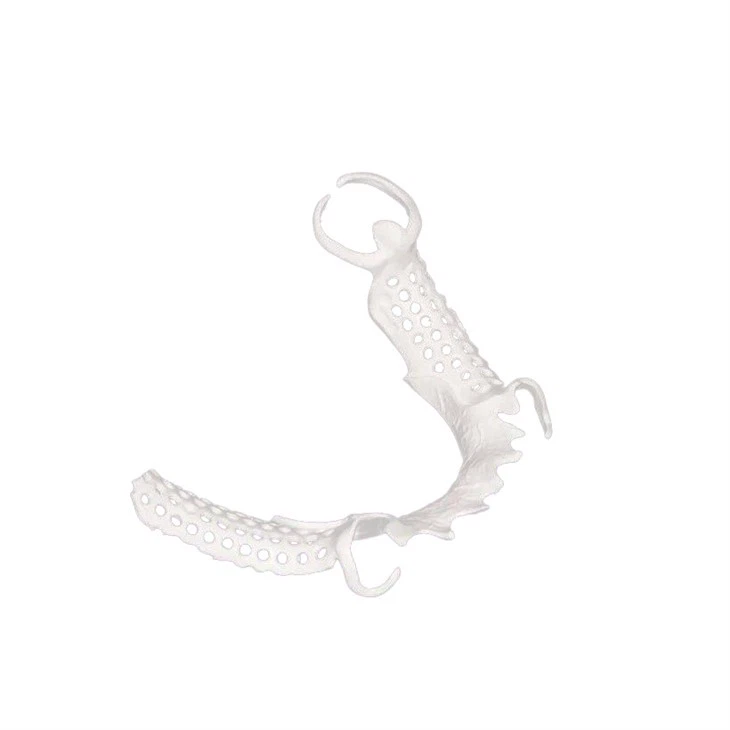
Before we discuss the impact of a dry mouth environment on Dental PEEK, it's essential to understand the material's properties. Dental PEEK is a high-performance polymer known for its excellent mechanical properties, biocompatibility, and aesthetic appeal. It has a similar elastic modulus to natural teeth, which makes it a suitable material for dental restorations. Additionally, Dental PEEK is resistant to corrosion and wear, making it a durable option for long-term use.
Impact on Adhesion
One of the primary concerns in a dry mouth environment is the effect on the adhesion of Dental PEEK to the tooth surface or other dental materials. Saliva acts as a natural lubricant and can enhance the wetting properties of dental adhesives. In a dry mouth, the lack of saliva can lead to poor wetting of the adhesive, resulting in reduced bond strength between the Dental PEEK restoration and the tooth. This can increase the risk of restoration failure, such as debonding or marginal leakage, which can ultimately lead to secondary caries and other oral health problems.
Surface Degradation
The absence of saliva in a dry mouth environment can also expose Dental PEEK to a more acidic oral environment. Saliva helps to buffer the acids produced by bacteria in the mouth, maintaining a relatively neutral pH. Without sufficient saliva, the pH in the mouth can drop, leading to an increased risk of surface degradation of Dental PEEK. Acidic conditions can cause the material to undergo hydrolysis, which can weaken the polymer chains and reduce the mechanical properties of the Dental PEEK restoration. Over time, this can lead to surface roughness, discoloration, and a decrease in the overall durability of the restoration.
Microbiological Challenges
Saliva contains various antimicrobial agents that help to control the growth of bacteria in the mouth. In a dry mouth, the lack of these antimicrobial factors can lead to an overgrowth of bacteria, increasing the risk of dental caries and periodontal disease. Dental PEEK restorations in a dry mouth environment may be more susceptible to bacterial adhesion and biofilm formation. Bacteria can adhere to the surface of the Dental PEEK, forming a biofilm that can cause surface staining and degradation. Additionally, the presence of bacteria can lead to the production of acids, further exacerbating the problems associated with surface degradation.
Aesthetic Considerations
A dry mouth environment can also have aesthetic implications for Dental PEEK restorations. The lack of saliva can cause the restoration to appear dry and dull, affecting its overall aesthetic appeal. Additionally, surface degradation and staining can make the restoration more noticeable, which can be a concern for patients who value the appearance of their teeth.
Strategies to Mitigate the Impact
As a Dental PEEK supplier, we understand the importance of addressing the challenges posed by a dry mouth environment. There are several strategies that can be employed to mitigate the impact of dry mouth on Dental PEEK restorations.
Saliva Substitutes
Using saliva substitutes can help to mimic the functions of natural saliva, improving the wetting properties of dental adhesives and reducing the risk of surface degradation. Saliva substitutes can also help to maintain a more neutral pH in the mouth, protecting the Dental PEEK restoration from acidic damage.
Proper Oral Hygiene
Encouraging patients to maintain proper oral hygiene is essential in a dry mouth environment. Regular brushing and flossing can help to remove bacteria and food debris from the mouth, reducing the risk of dental caries and periodontal disease. Additionally, using an antibacterial mouthwash can help to control the growth of bacteria on the Dental PEEK restoration.
Surface Treatments
Applying surface treatments to Dental PEEK restorations can improve their resistance to adhesion and surface degradation in a dry mouth environment. For example, surface modifications can be used to enhance the hydrophilicity of the material, improving its wetting properties and adhesion. Additionally, antimicrobial coatings can be applied to the surface of the Dental PEEK to reduce bacterial adhesion and biofilm formation.
Comparison with Other Dental Materials
When considering the impact of a dry mouth environment, it's also useful to compare Dental PEEK with other dental materials, such as Dental Glass Ceramic and Dental Resin. Dental Glass Ceramic is known for its excellent aesthetic properties but can be brittle and prone to fracture. In a dry mouth environment, the lack of saliva can increase the risk of fracture due to the reduced lubrication and increased stress on the restoration. Dental Resin, on the other hand, is more flexible but can be more susceptible to wear and discoloration in an acidic environment. Dental PEEK offers a balance between the mechanical properties of Dental Glass Ceramic and the flexibility of Dental Resin, making it a suitable option in a dry mouth environment, provided that the appropriate strategies are employed to mitigate the challenges.
Conclusion
In conclusion, a dry mouth environment can have a significant impact on Dental PEEK restorations. The lack of saliva can affect adhesion, surface degradation, microbiological challenges, and aesthetic considerations. However, by understanding these challenges and implementing appropriate strategies, such as using saliva substitutes, maintaining proper oral hygiene, and applying surface treatments, the negative effects of a dry mouth environment on Dental PEEK can be minimized.
As a supplier of Dental PEEK, we are committed to providing our customers with high-quality products and support. If you have any questions or concerns about using Dental PEEK in a dry mouth environment or would like to discuss potential solutions, we encourage you to contact us for a procurement discussion. Our team of experts is ready to assist you in finding the best dental solutions for your patients.
References
- Yankell, S. L., & Laster, L. L. (2018). Oral Complications of Salivary Gland Hypofunction and Xerostomia. Journal of the American Dental Association, 149(3), 189-200.
- Zhang, Y., & Zhang, Y. (2019). A Review of Polyetheretherketone (PEEK) in Dentistry. Journal of Prosthodontics, 28(3), 249-254.
- Özcan, M. (2017). Polyetheretherketone (PEEK) for Dental Applications: A Review. Dental Materials, 33(1), 1-12.