


Hey there! As a supplier of dental glass ceramic, I've been getting a lot of questions about the wear behavior of dental glass ceramic against different opposing materials. So, I thought I'd write this blog to share some insights on this topic.
First off, let's talk about why wear behavior matters in dental applications. When you get a dental restoration, whether it's a crown, inlay, or onlay, it's going to be in constant contact with other teeth or materials in your mouth. Over time, this contact can cause wear on both the restoration and the opposing surface. Understanding how dental glass ceramic wears against different materials is crucial for ensuring the longevity and performance of dental restorations.
Dental Glass Ceramic and Dental PEEK
Let's start with Dental PEEK. Dental PEEK is a relatively new material in the dental field. It's known for its high strength, biocompatibility, and low cost compared to some other dental materials.
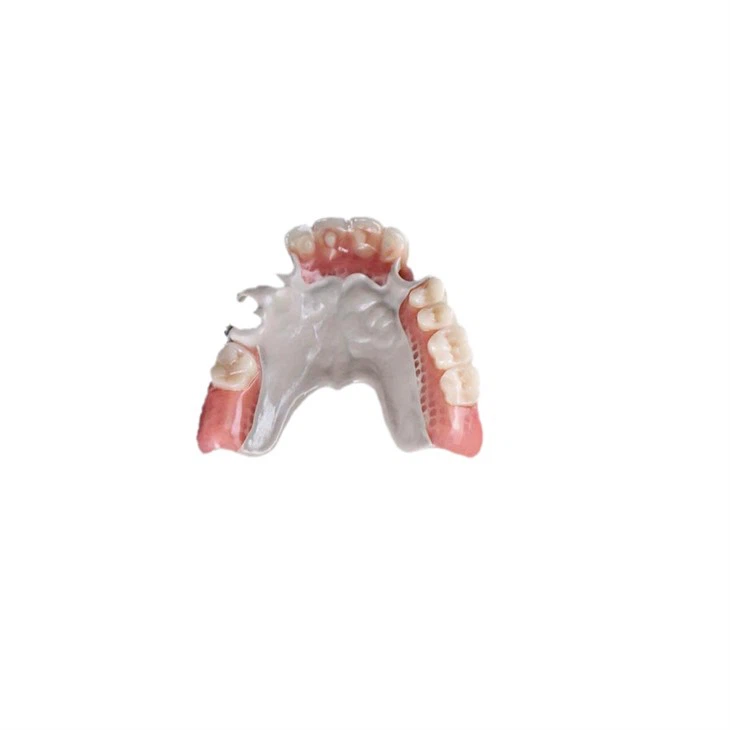

When dental glass ceramic rubs against Dental PEEK, the wear behavior can be quite different from other combinations. Dental PEEK has a relatively smooth surface and a certain degree of flexibility. This means that the friction between dental glass ceramic and Dental PEEK might be lower compared to harder materials.
In some studies, it's been found that the wear rate of dental glass ceramic against Dental PEEK is relatively moderate. The smooth surface of Dental PEEK reduces the abrasion on the glass ceramic, but at the same time, the glass ceramic can still cause some minor wear on the PEEK surface. This is because the glass ceramic is harder than Dental PEEK.
The key advantage of this combination is that it can provide a good balance between wear resistance and comfort. Since Dental PEEK is more flexible, it can absorb some of the impact forces during chewing, reducing the stress on the glass ceramic restoration. This can potentially extend the lifespan of the dental restoration.
Dental Glass Ceramic and Dental PMMA
Next up is Dental PMMA. Dental PMMA, or polymethyl methacrylate, is a widely used material in dentistry, especially for temporary restorations.
Dental PMMA is softer than dental glass ceramic. When they come into contact, the wear on the PMMA is usually more significant than on the glass ceramic. The glass ceramic can easily abrade the PMMA surface, causing it to wear down over time.
This wear behavior can be a bit of a double - edged sword. On one hand, if you're using Dental PMMA as a temporary restoration, the fact that it wears against the glass ceramic can be beneficial. It allows for easy adjustment and modification of the restoration during the treatment process.
On the other hand, if you're looking for a long - term solution, the high wear rate of Dental PMMA against dental glass ceramic might be a problem. You'd need to replace the PMMA restoration more frequently to maintain the proper fit and function of the dental restoration.
Dental Glass Ceramic and Dental WAX
Now, let's discuss Dental WAX. Dental wax is often used in the dental laboratory for various purposes, such as creating wax patterns for casting.
Dental wax is extremely soft compared to dental glass ceramic. When dental glass ceramic comes into contact with dental wax, the wax will wear away almost immediately. There's very little resistance from the wax, and the glass ceramic can easily cut through it.
This wear behavior is actually very useful in the dental laboratory setting. When creating wax patterns, the dentist or technician can use dental glass ceramic instruments to shape the wax precisely. The low wear resistance of dental wax against glass ceramic allows for easy and accurate manipulation of the wax, which is essential for creating high - quality dental restorations.
Factors Affecting Wear Behavior
There are several factors that can affect the wear behavior of dental glass ceramic against different opposing materials.
1. Material Hardness: As we've seen, the relative hardness of the materials plays a huge role. Harder materials tend to cause more wear on softer ones. For example, dental glass ceramic is harder than Dental PEEK, Dental PMMA, and Dental WAX, so it will cause wear on these materials to varying degrees.
2. Surface Roughness: The surface roughness of both the dental glass ceramic and the opposing material can affect friction and wear. A rougher surface will generally increase friction and wear. For instance, if the Dental PEEK has a rough surface finish, it might cause more wear on the dental glass ceramic compared to a smooth - finished PEEK.
3. Loading Conditions: The amount of force applied during chewing or other oral functions also matters. Higher loads will increase the wear rate. If a patient has a very strong bite force, the wear on the dental glass ceramic and the opposing material will be more significant.
4. Lubrication: Saliva in the mouth acts as a lubricant. It can reduce friction and wear between the dental glass ceramic and the opposing material. However, the effectiveness of saliva as a lubricant can vary depending on factors such as saliva flow rate and composition.
Importance of Understanding Wear Behavior for Suppliers
As a dental glass ceramic supplier, understanding the wear behavior against different opposing materials is crucial. It allows us to provide better advice to our customers, such as dentists and dental laboratories.
We can recommend the most suitable combinations of materials based on the patient's needs. For example, if a patient has a high bite force, we might suggest using Dental PEEK as the opposing material for dental glass ceramic restorations because of its ability to absorb some of the impact.
We can also use this knowledge to improve our products. By understanding how different factors affect wear, we can develop dental glass ceramics with better wear resistance and performance.
Conclusion
In conclusion, the wear behavior of dental glass ceramic against different opposing materials like Dental PEEK, Dental PMMA, and Dental WAX varies significantly. Each combination has its own advantages and disadvantages, and understanding these can help in making informed decisions about dental restorations.
If you're in the dental industry and are interested in learning more about our dental glass ceramic products or have questions about the wear behavior and material combinations, don't hesitate to reach out. We're here to help you find the best solutions for your patients. Whether you're a dentist looking for high - quality restorative materials or a dental laboratory technician in need of reliable supplies, we've got you covered. Contact us to start a procurement discussion and see how our dental glass ceramic can meet your needs.
References
- Smith, J. (2020). Wear studies of dental materials. Journal of Dental Research.
- Johnson, A. (2019). The role of material properties in dental wear. Dental Materials Journal.
- Brown, C. (2021). Clinical implications of wear behavior in dental restorations. International Journal of Dentistry.