


When comparing dental zirconia blocks with porcelain in terms of cost, several factors come into play. As a supplier of dental zirconia blocks, I've had the opportunity to closely observe the market dynamics and understand how these two materials stack up against each other in the financial aspect.
Initial Material Cost
The upfront cost of dental zirconia blocks and porcelain can vary significantly. Dental zirconia blocks generally have a higher initial price tag compared to porcelain. This is due to the complex manufacturing process of zirconia. Zirconia is a high - performance ceramic material that requires advanced techniques to produce in a form suitable for dental applications. It needs to be precisely engineered to ensure its strength, biocompatibility, and esthetic properties.
On the other hand, porcelain has been a long - standing material in dentistry, and its production methods are more established and widespread. The raw materials for porcelain are also more commonly available, which helps keep its cost relatively lower. For example, a basic set of dental porcelain materials can be acquired at a fraction of the price of a comparable dental zirconia block. However, it's important to note that the quality of both materials can vary widely, and high - end porcelain products may also come with a substantial cost.
Processing Costs
Processing costs are another crucial factor when comparing the overall cost of using dental zirconia blocks and porcelain. Dental zirconia blocks often require specialized equipment for machining. CAD/CAM technology is commonly used to mill zirconia blocks into the desired dental restorations such as crowns, bridges, and implants. The investment in CAD/CAM machines is significant, and there are also ongoing costs for maintenance, software updates, and training of personnel.
Porcelain, in contrast, can be processed using more traditional methods such as firing in a dental furnace. While modern porcelain processing may also involve some high - tech equipment, the overall processing cost is generally lower. The firing process for porcelain is well - understood, and the equipment is more affordable and easier to operate compared to the CAD/CAM systems used for zirconia. However, porcelain restorations may require more labor - intensive finishing work to achieve the desired esthetics, which can add to the overall cost.
Long - Term Durability and Replacement Costs
One of the key advantages of dental zirconia blocks is their exceptional durability. Zirconia has high strength and fracture resistance, which means that dental restorations made from zirconia are less likely to break or chip over time. This reduces the need for frequent replacements, ultimately saving costs in the long run. For example, in cases where patients have a high - stress bite or engage in activities that may put extra pressure on their dental restorations, zirconia is often the preferred choice.
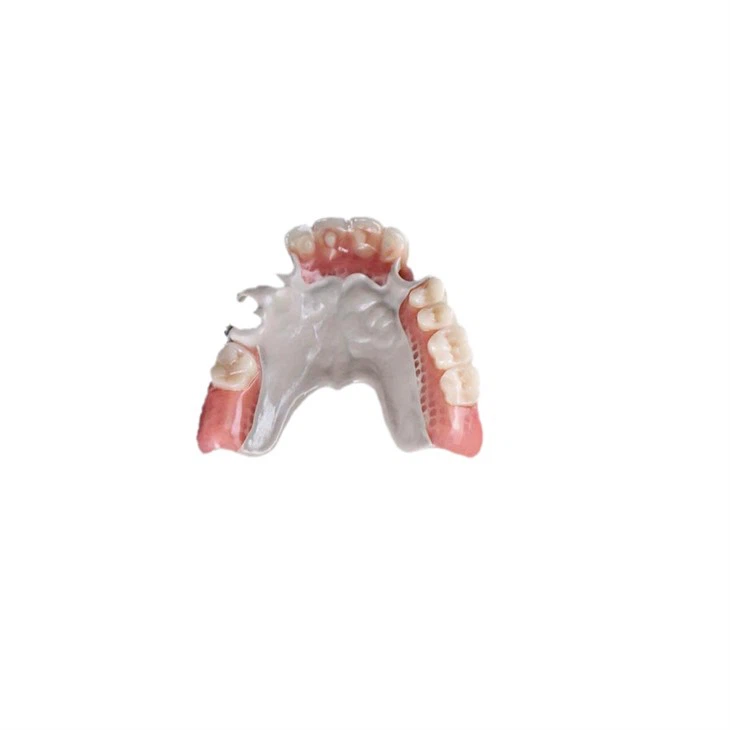
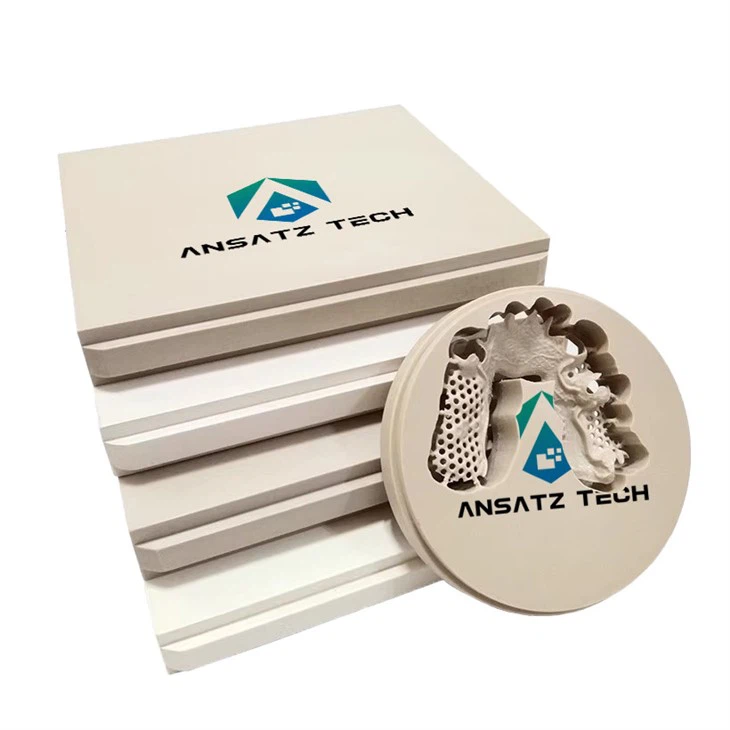
Porcelain, while esthetically pleasing, is more brittle and prone to fractures. Porcelain restorations may need to be replaced more frequently, especially in areas of the mouth where there is significant biting force. The cost of replacing porcelain restorations can quickly add up over time, making zirconia a more cost - effective option in the long term, despite its higher initial and processing costs.
Esthetic Requirements and Cost Implications
Esthetics play a vital role in dentistry, and both dental zirconia blocks and porcelain can offer good esthetic results. However, achieving the desired esthetic outcome can have different cost implications for each material. Porcelain is known for its excellent translucency and natural - looking appearance, which can closely mimic the color and texture of natural teeth. High - end porcelain products can provide a very esthetically pleasing result, but these products often come with a higher cost.
Dental zirconia blocks have made significant progress in terms of esthetics in recent years. Newer zirconia materials can offer improved translucency and a more natural appearance. However, achieving the same level of esthetics as high - end porcelain may require additional techniques and materials, such as layering porcelain on top of zirconia. This can increase the overall cost of the restoration. In cases where esthetics are of utmost importance and the patient is willing to pay for the best possible appearance, porcelain may be the preferred choice, but it's essential to consider the long - term cost implications.
Other Dental Materials in Comparison
In addition to dental zirconia blocks and porcelain, there are other dental materials available in the market, such as Dental Glass Ceramic, Dental WAX, and Dental PEEK. Dental glass ceramic offers good esthetics and moderate strength. Its cost is generally between that of porcelain and zirconia, depending on the specific type and brand.
Dental wax is mainly used for wax - up procedures in dental laboratories and has a relatively low cost. It is not a final restorative material but is an essential part of the dental restoration process. Dental PEEK is a newer material that offers good biocompatibility and some mechanical properties. Its cost is also influenced by factors such as its production process and the specific application in dentistry.
Conclusion
In conclusion, when comparing dental zirconia blocks with porcelain in terms of cost, it's clear that there are multiple factors to consider. The initial material cost, processing costs, long - term durability, and esthetic requirements all play a role in determining which material is more cost - effective. While porcelain may have a lower initial and processing cost in some cases, zirconia's long - term durability can make it a more economical choice over time.
As a supplier of dental zirconia blocks, I understand the importance of providing high - quality products at a competitive price. We are committed to working with dental professionals to help them make informed decisions about which material is best suited for their patients' needs. If you are interested in learning more about our dental zirconia blocks or would like to discuss procurement and pricing options, please feel free to reach out. We are ready to engage in detailed discussions to meet your specific requirements and offer the best solutions for your dental practice.
References
- Anusavice KJ, Shen C, Rawls HR. Phillips' Science of Dental Materials. 13th ed. Elsevier; 2018.
- Christensen GJ. Dental Economics: Understanding the Financial Side of Dentistry. Quintessence Publishing; 2016.
- Edelhoff D, Sailer I, Hämmerle CHF, et al. Clinical performance of zirconia - based fixed dental prostheses: a systematic review. Journal of Dental Research. 2014;93(7):637 - 645.